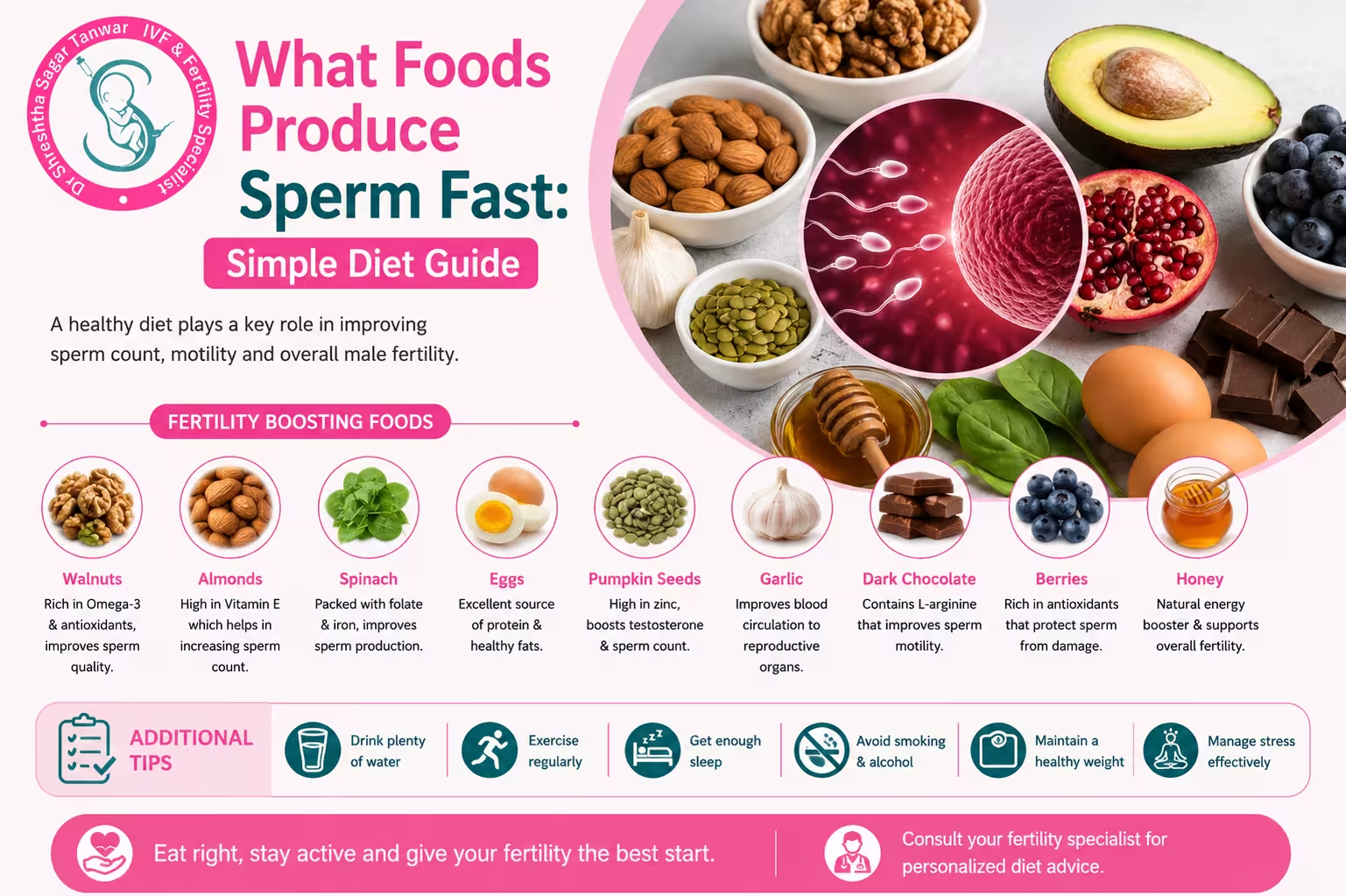
While no food can multiply sperm overnight, a nutrient-dense diet rich in zinc, antioxidants, omega-3 fatty acids, vitamins, and healthy fats can support healthy sperm production and overall sperm health. The complete sperm production cycle takes about 74 days, so consistent healthy eating is more important than relying on a single “sperm-boosting” food. Foods such as nuts, eggs, fruits, vegetables, seeds, fish, and whole grains can provide important nutrients that support sperm count, movement, and quality over time.
You don't need expensive fertility supplements or a special diet to support sperm health. Simple, balanced, home-cooked meals can provide many of the nutrients your body needs. However, diet is only one factor affecting male fertility. If you have concerns about low sperm count or poor sperm movement, a semen analysis can help identify whether further fertility evaluation is needed.
What Foods Can Help Support Sperm Health?
You do not need to fill your diet with so-called fertility foods. Many everyday foods already contain nutrients that are useful for sperm health. The main thing is to eat a good variety instead of depending on just one food.
1. Eggs
Eggs are an easy way to add protein to your meals. They also provide vitamin B12, selenium, and other nutrients that your body needs.
If you normally eat eggs, having them at breakfast is a simple option. Boiled eggs, an omelette, or scrambled eggs can all work. If you do not eat eggs, paneer, dal, and beans are other good sources of protein.
2. Walnuts
A small handful of walnuts makes a simple snack and gives you healthy fats, omega-3 fatty acids, and antioxidants. These nutrients may support healthy sperm.
You do not need to eat a bowl full of walnuts. A small serving as part of your daily diet is enough.
3. Spinach and Other Green Vegetables
Green vegetables are worth adding to your meals because they provide folate, vitamin C and several other nutrients.
Spinach is one option, but you can also have broccoli, peas, beans or other leafy vegetables. Try to include some green vegetables with your lunch or dinner instead of eating the same vegetable every day.
4. Pumpkin Seeds
Pumpkin seeds contain zinc and healthy fats. Zinc is important for normal reproductive health and sperm production.
You can sprinkle a little over your salad or breakfast, or have a small amount as a snack. There is no benefit in eating them in large quantities.
5. Bananas
Bananas are an easy fruit to include in your routine. They provide vitamin B6 along with other nutrients that support normal body functions.
Have one with breakfast or as a snack when you are hungry. Just keep in mind that eating bananas alone will not treat a low sperm count.
6. Tomatoes
Tomatoes contain lycopene, an antioxidant that has been studied for its possible role in sperm health.
The easiest part is that tomatoes are already used in many Indian meals. You can have them in a salad, sabzi, or homemade curry. Cooked tomatoes are also a good option.
7. Citrus Fruits
Oranges, sweet lime, and other citrus fruits are good sources of vitamin C. Vitamin C helps protect cells from damage.
Instead of depending on packaged juices, it is better to have the whole fruit. It is an easy way to add more fruit to your normal diet.
8. Fatty Fish
If you eat fish, salmon and sardines are good sources of omega-3 fatty acids. These healthy fats are part of the nutrients that may support sperm health.
More broadly, diets that include fish, fruits, vegetables, and nuts have been linked with better semen quality. So fish can be one part of an overall healthy diet rather than a food you need to eat specifically for fertility.
9. Beans and Lentils
For an Indian diet, this one is easy. Dal, rajma, chickpeas and other legumes provide protein, folate, fiber, and other nutrients.
You do not need to buy special fertility foods when simple foods that you already eat at home can provide many of the nutrients your body needs.
10. Pomegranate and Other Fruits
Pomegranate contains antioxidants and can be included in a balanced diet. But there is no need to focus only on pomegranates.
Try different fruits during the week. Guava, oranges, berries, apples and other seasonal fruits can all add different vitamins and antioxidants to your diet.
What Should You Eat in a Day to Support Sperm Health?
You don't need a strict or complicated fertility diet to support sperm health. A simple, balanced, home-cooked Indian diet can provide many of the nutrients your body needs. For example:
- Breakfast: Eggs or paneer with roti or oats, along with a serving of fresh fruit.
- Mid-morning: Orange, guava, banana, or another seasonal fruit with a small handful of walnuts.
- Lunch: Dal or beans with vegetables, roti or brown rice, salad, and curd.
- Evening: Roasted chana, pumpkin seeds, or a small handful of nuts.
- Dinner: Vegetables with dal, paneer, eggs, chicken, or fish.
- Throughout the day: Drink enough water and choose water instead of sugary drinks whenever possible.
You don't have to follow this exact meal plan every day. The main goal is to include a variety of nutritious foods regularly and maintain a balanced diet that supports overall health and sperm production.
Which Foods Should You Limit?
Eating healthy foods is only one part of improving your diet. It is also helpful to cut down on foods that you eat too often.
Try to limit:
- Processed and fast foods
- Processed meat
- Foods high in unhealthy fats
- Sugary drinks and too many sweets
- Frequent deep-fried foods
- Heavy alcohol use
You do not have to stop eating your favourite foods completely. The bigger concern is eating unhealthy foods regularly and in large amounts.
A healthy diet is easier to follow when you make small changes that can become part of your normal routine.
How Quickly Can Food Improve Sperm?
It takes about 72 to 90 days for food and diet changes to potentially improve sperm health. This is because the body takes roughly two to three months to create and mature new sperm cells, a process known as spermatogenesis.
Therefore, there is no single food that can increase sperm count within a few days. Instead, focus on maintaining a balanced, nutrient-rich diet consistently over time. Including vegetables, fruits, nuts, whole grains, healthy sources of protein, seeds, and fish can help provide the nutrients needed to support healthy sperm production.
If your sperm count or movement is low, diet alone may not address the underlying cause. A semen analysis and appropriate fertility evaluation can help determine whether further treatment or medical guidance is needed.
Can Diet Alone Treat Low Sperm Count?
Being overweight, having infections, smoking, alcohol use, a history of testicular problems, varicocele, or use of some medications can all result in a low sperm count.
If you’re worried about your sperm count, a semen analysis is a quick and easy diagnostic test to help answer some of your fertility concerns.
The analysis generally includes an evaluation of:
- Sperm concentration
- Sperm Motility
- Sperm Morphology
Depending on the results, along with your history, your doctor may order additional diagnostic tests.
What Other Habits Can Help Sperm Health?
A healthy diet is important for sperm health, but daily lifestyle habits also play an important role. Making consistent changes can support overall reproductive health and may help maintain healthy sperm production.
1. Exercise Regularly
Regular physical activity can help maintain a healthy weight and support overall health. You do not need to follow an intense workout routine. Moderate exercise performed regularly can be a practical way to stay active and support reproductive health.
2. Quit Smoking
Smoking can negatively affect sperm quality and male fertility. If you smoke, quitting can be an important step toward improving your overall reproductive health while trying to conceive.
3. Limit Alcohol
Heavy alcohol consumption may affect reproductive health and sperm quality. If you are trying to improve your fertility, reducing alcohol intake can be a useful lifestyle change.
4. Avoid Excessive Heat
Frequent exposure to high temperatures around the testicles may affect sperm production. Avoid spending excessive time in hot tubs or very hot environments, and try not to keep a laptop directly on your lap for prolonged periods.
5. Get Enough Sleep
Adequate sleep is another important part of a healthy lifestyle. Maintain a regular sleep schedule and give your body enough time to rest and recover.
These habits may seem simple, but following them consistently over time is more beneficial than making major lifestyle changes for only a few weeks.
When Should You See a Fertility Specialist?
If you and your partner have been trying for a baby without success, do not keep trying different foods and supplements without getting checked.
A semen analysis is a simple test that can tell you more about your sperm count and quality. If the result is not normal, your doctor may repeat the test or suggest other tests to find the reason.
It is especially worth speaking to a fertility specialist if you have:
- A previous abnormal semen report
- A history of testicular problems or surgery
- Hormonal problems
- Problems with erection or ejaculation
- Been trying for a baby without success
Finding the cause can help you understand whether diet and lifestyle changes are enough or whether you need medical treatment.
Conclusion
There is no single food that can produce sperm quickly, but a balanced, nutrient-rich diet can support healthy sperm production and overall sperm health. Foods such as eggs, walnuts, green vegetables, pumpkin seeds, tomatoes, fruits, fatty fish, dal, and other nutrient-rich foods can be included as part of a healthy daily diet.
Along with good nutrition, regular exercise, adequate sleep, avoiding smoking, and limiting alcohol can also support male reproductive health. If you are concerned about your sperm count, movement, or overall sperm quality, Dr. Shreshtha Sagar Tanwar, an IVF specialist in Greater Noida with more than 16 years of experience, can help evaluate the possible causes and guide you toward appropriate fertility assessment and treatment.
Frequently Asked Questions
What food items can produce sperm quickly?
Foods cannot produce sperm in a short time. Eggs and walnuts, as well as green vegetables, fruit, pumpkin seeds, and fish with fat content, can supply nutrients to aid in healthy sperm production as well as high-quality.
Which food item is the best to increase the number of sperm?
There isn't one food that is suitable for all people. A balanced diet that includes fruits, vegetables, whole grains, nuts, healthy fats, and great sources of protein is a better method than relying on a single food item.
Do I know how to boost my sperm count in a natural way?
Start by eating a balanced and healthy diet, exercising regularly to maintain a healthy weight, and getting adequate sleep. Beware of heavy alcohol and smoking consumption. If you have a low sperm count, a semen analysis may determine if there's a root cause.
How long will it take to make a change in diet that improves the quality of sperm?
The diet does not increase the quality of sperm in just a couple of days. The production of sperm takes time; a healthy diet and lifestyle modifications must be maintained for a number of months.
Can low sperm count be treated with IVF?
Yes. IVF is not required for everyone who has an insufficient sperm count. It is contingent on the cause and degree; some men could be improved by lifestyle changes or medical treatment, whereas others may need fertility procedures. The right treatment depends on the semen report and the fertility assessment of both partners.