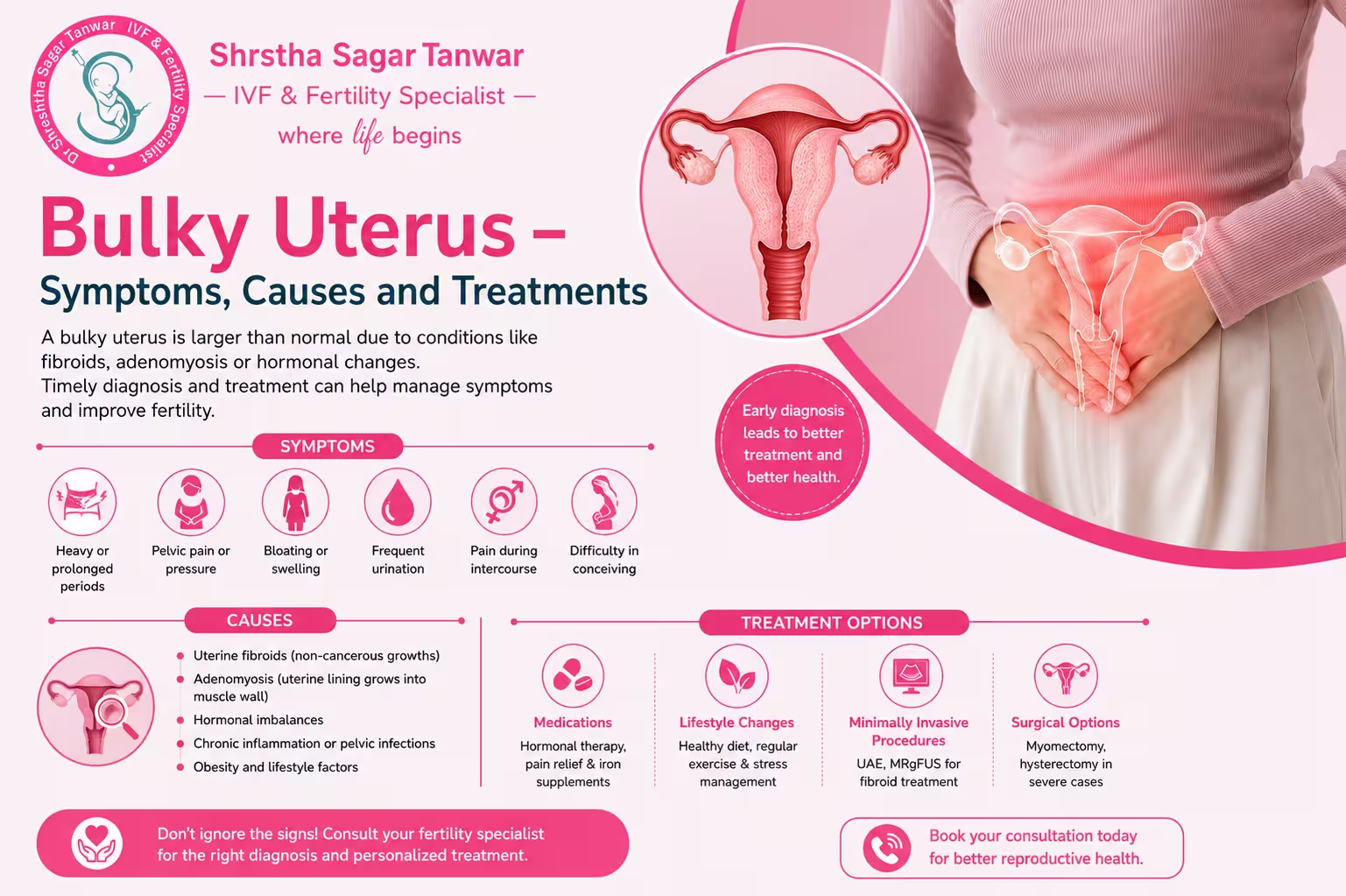
A bulky uterus means that the womb is larger than its normal size of about 3 inches. It is a finding that may be noticed during an ultrasound or examination rather than a specific disease by itself. Common causes include fibroids, adenomyosis, and hormonal shifts.
Many women with a bulky uterus may not experience any symptoms. However, some women may have heavy menstrual bleeding, pelvic pressure, or pelvic pain. Treatment depends on the underlying cause and severity of symptoms and may range from hormonal medicines to surgery when clinically required.
What Does Bulky Uterus Mean?
A bulky uterus means that the uterus is larger or thicker than its typical non-pregnant size. It is a descriptive finding that may appear on an ultrasound report rather than the name of a specific disease. A normal uterus is about the size of a small pear, but various hormonal or structural conditions can cause it to swell or become enlarged.
Therefore, a bulky uterus finding should be understood along with the ultrasound findings, symptoms, and possible underlying cause. Your doctor can assess these factors to determine whether any further evaluation or treatment is needed.
What Causes a Bulky Uterus?
There are many possible reasons. The most common causes are:
1. Fibroids
Fibroids (Uterine Fibroids) are benign growths that grow within the uterus or around it. In accordance with the size of their growth and where they are located they may cause the uterus to appear bigger.
Women with fibroids may have no signs. Some women might experience heavy or prolonged periods or painful menstrual cycles or pelvic pressure, discomfort in the back or frequent urination.
2. Adenomyosis
In adenomyosis (Adenomyosis) the tissue that typically covers the inside of the uterus develops into the muscle walls of the uterus. The uterus can become bigger and thicker than normal.
The pain and discomfort of your period are common signs. Women may also experience pelvic pain or discomfort during sexual activities.
3. Pregnancy
The uterus naturally gets bigger during pregnancy as it expands to support the baby's development. Also, depending on the circumstances the pregnancy itself could explain an enlarged uterus.
4. Other uterine disorders
Sometimes, changes to the lining of the uterus or other gynecological issues can influence the size or appearance of the uterus. This is the reason why the cause must be determined by a gynecologist instead of thinking that every uterus that is large is caused by fibroids or adenomyosis.
What Are the Symptoms of Bulky Uterus?
There are many women who have an unflattering uterus. Some women are only aware of it after an ultrasound routine.
If symptoms are evident the most common cause is the condition that causes the uterus's size to increase.
Common symptoms include:
- Menstrual bleeding that is heavy
- The duration of the period is longer than the norm
- Period cramps that are severe or painful
- Pressure or pain within the abdomen of your lower back.
- Heaviness in the pelvis
- Lower back discomfort
- Frequent urination
- Pressure or constipation while passing stool
- Pain during sex
- The difficulty of getting pregnant
- Fatigue or weakness as a result of the loss of blood and anemia.
Fibroids, like fibroids, can trigger excessive or prolonged periods and pelvic pressure. They can also cause frequent urination, and discomfort. Adenomyosis typically causes excessive bleeding and painful menstrual cycles.
Is Bulky Uterus Good or Bad?
A large uterus isn't necessarily a sign of good or bad. The phrase itself does not reveal how serious the issue is.
What's important is:
- What is the reason why the uterus has grown
- How large has the uterus expanded in size
- If you are suffering from symptoms
- If the condition affects fertility or the possibility of pregnancy
- If the condition is underlying, it may require treatment
For instance, a woman may have a uterus that is large due to an insignificant fibroid, but suffer no symptoms. In this case it is possible that immediate treatment will not be necessary.
However in the event that the enlargement due to severe adenomyosis or fibroids that are large, causing severe swelling and pain then treatment could be required.
Therefore, "bulky uterus" does not necessarily mean that something threatening is happening.
Can a Bulky Uterus Affect Pregnancy?
Yes, a bulky uterus can affect pregnancy and fertility, but the impact largely depends on the underlying cause, such as fibroids, adenomyosis, or hormonal changes. Many women with a bulky uterus can still conceive and have healthy pregnancies. However, in some cases, an enlarged or altered uterine structure may affect embryo implantation, limit the space available for fetal growth, or increase the risk of pregnancy complications such as miscarriage.
If an ultrasound shows a bulky uterus and you are planning pregnancy, your doctor may assess the size and shape of the uterus, the underlying cause of enlargement, and your overall fertility. Based on these findings, appropriate monitoring or treatment can be recommended when necessary.
How Is Bulky Uterus Diagnosed?
Discovering the cause of a big uterus typically requires a combination of your symptoms, physical exam, and imaging studies.
Your doctor might suggest:
- Pelvic exam: It will allow the doctor to determine if your uterus is enlarged or not.
- Ultrasound: It is often used to examine the uterus and find out if you have any fibroids, adenomyosis, or something else.
- Transvaginal ultrasound: In some patients, this procedure provides a better image of the uterus and its internal parts.
- MRI: If there is a need for further investigation, especially regarding your uterus and possible diagnosis, an MRI may be suggested.
Tests required will vary depending on your symptoms and findings in ultrasound.
How Is Bulky Uterus Treated?
There isn't a single, large uterus treatment since the treatment depends on the reason.
If the uterus only appears slightly larger and you experience no symptoms of any significance or signs, your doctor could suggest regular follow-up.
If medical treatment is required this could consist of:
1. Medicines
It is possible to use medicines to reduce bleeding that is excessive or period pain, among other signs. The decision is based on the condition that is causing it and if you're planning to have a baby.
2. Treatment for Fibroids
If fibroids are causing severe symptoms, your doctor might think about medications, minimally-invasive procedures, or surgery. For women looking to keep their fertility and therefore have fertility issues, treatment strategy is determined according to how large and the location of fibroids.
3. Treatment for Adenomyosis
The treatment for adenomyosis is based upon the intensity of the symptoms and whether you wish to be a parent. Treatments with hormones and medicines can aid in reducing pain and excessive bleeding. In some instances, alternative procedures or surgeries could be thought of.
4. Surgery
Surgery isn't always necessary simply because the uterus is large. It is a possibility to consider it when symptoms are extreme and other treatments aren't effective or a specific problem that requires surgery.
If a woman is planning to have children, fertility-preserving options should be contemplated whenever it is necessary.
Does a Bulky Uterus Always Need Treatment?
This is among the most important aspects to know. A large uterus doesn't necessarily require treatment.
If you do not have any major symptoms and your underlying issue isn't causing you any trouble your doctor may suggest surveillance and a routine follow-up.
Treatment is more crucial when there is a lot of bleeding, extreme pressure, pain as well as anemia, difficulties in concocting or another issue that requires medical treatment.
Instead of asking, "How big is my uterus?" The best way to find out is to inquire, "Why is my uterus bulky, and is it affecting my health or fertility?"
When Should You See a Gynecologist?
It is recommended to see the gynecologist in case you suffer from:
- Extremely heavy or extended durations
- Severe period pain
- Consistent lower or pelvic discomfort
- The sensation of pressure or weight in the abdomen.
- Urinary frequency that is not accompanied by an evident reason
- It is difficult to become pregnant
- A report from an ultrasound shows an enlarged uterus
If you're considering having a baby it is crucial to discuss the findings of your ultrasound with a fertility doctor. The aim isn't just to shrink the uterus but to find the cause of the problem and decide whether you need treatment.
Conclusion
A bulky uterus means that the uterus is enlarged. This doesn’t necessarily mean there is a significant medical problem. Many women have fibroids or adenomyosis, which do not cause symptoms in some patients. There are some patients that present with symptoms such as prolonged or heavy bleeding, pelvic pain or issues concealing. In these cases an evaluation to rule out the various causes should be done. Your condition can be assessed by Dr. Shreshtha Sagar Tanwar. Using her 16 + years of experience as an IVF specialist in Greater Noida, she will assist you in determining the impact your condition has on your fertility and will develop a treatment plan based on your requirements.